 Cartilage
 Knees
Knees Hip
Hip Shoulder
The Link Between Segond Fracture and ACL Tears in Diagnosis and Treatment
12/03/26


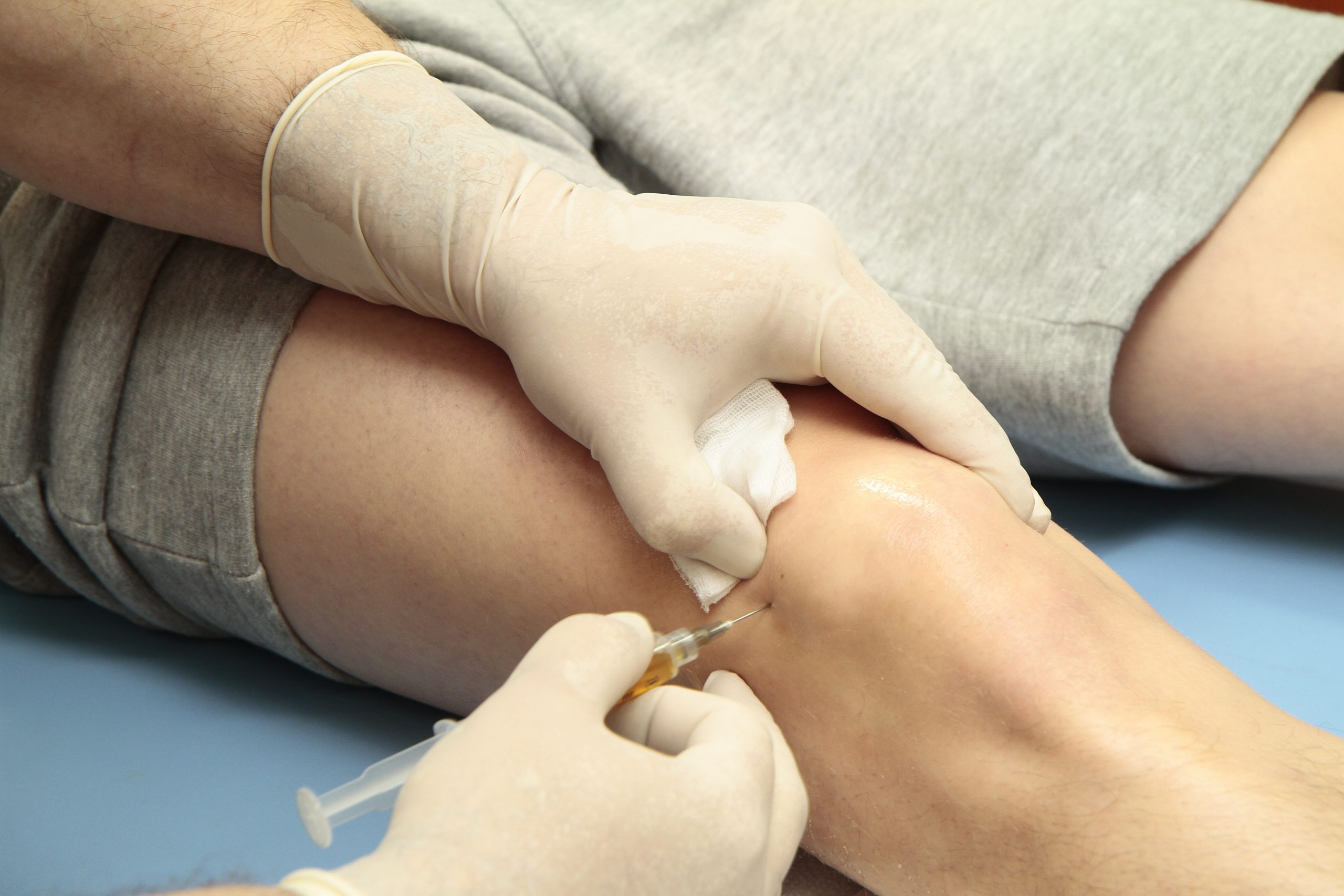
Knee gel injections, sometimes called viscosupplementation, are a minimally invasive treatment designed to ease problems with knee cartilage and help manage osteoarthritis symptoms. During the procedure, a gel-like substance is injected directly into the knee joint to lubricate and cushion the cartilage. This can reduce pain and improve joint movement. As more people look for alternatives to surgery, these injections are becoming a popular choice because they are straightforward and relatively quick.
New therapies, including injectable agents and scaffolds, are showing promise as helpful additions to traditional treatments. One such treatment uses ChondroFiller Liquid®, which “forms a protective layer around the cartilage defect while stimulating the growth of chondrocytes” — the cells responsible for cartilage repair — effectively encouraging cartilage regeneration. Many patients understandably have questions before going ahead with the procedure. At the London Cartilage Clinic, under the expert care of Professor Paul Lee, patients receive tailored advice and compassionate support to help them feel comfortable and informed. Still, it’s important to seek personalised recommendations from qualified healthcare professionals.
Preparing well for your knee gel injection can make a real difference to your comfort and safety. Before your appointment, talk openly with your clinician about any medications you’re taking, as some might need to be paused to reduce risks. It’s also a good idea to arrange reliable transport to and from the clinic, since you might feel some discomfort immediately afterwards.
Keeping a diary of your knee symptoms and how your knee functions before the treatment can help your clinician understand your specific needs. On the day, wear loose, comfortable clothes that make it easy to access your knee. At home, prepare a cosy resting area where you can relax after the procedure.
The professionals at London Cartilage Clinic are committed to providing both expert care and support, taking time to guide you through every step to help you feel confident and cared for.
It’s normal to feel mild discomfort or notice some swelling in your knee soon after the injection. These usually ease within a few days. Many wonder about walking after a knee gel shot — generally, gentle walking is fine and even encouraged, but it’s best to avoid anything strenuous or high-impact early on.
Research highlights that the technique of delivering the injection can be challenging, as “the accessibility is not easy, and the distance between the tip of the needle and the area to be treated is such that the efficiency of the release is difficult, if not impossible.” Rest assured, your clinical team will use careful methods to make sure the gel reaches the right spot effectively.
Simple aftercare steps can make recovery smoother: apply an ice pack to reduce swelling, keep your leg elevated when resting, and avoid standing for long periods. Keep an eye out for any unusual changes, such as more intense pain, redness, or heat around the knee — if these happen, contact your clinician straight away.
Studies show good safety profiles with these injections; indeed, “adverse events were not reported.” Knowing which activities to avoid can help protect your healing knee. Throughout your recovery, the London Cartilage Clinic team is on hand to provide expert advice and reassurance.
To get the most from your knee gel injection, start increasing your activity levels slowly and listen carefully to your body. Begin with gentle movements and only progress if you feel comfortable. Positive signs include reduced stiffness and pain, along with better knee function.
Clinical studies describe how “the implant shows a perfect integration to the adjacent cartilage right from the beginning and by time an impressive maturation of the reconstructed cartilage.” In similar treatments, patients have also experienced “improvement in pain symptoms, associated with an increase in force in the pincer and grip movements,” showing how joint strength can be restored alongside pain relief.
Recovery varies for each person, so stick to recommended recovery tips such as balancing rest with gentle exercise and avoid rushing your progress. Keep all your follow-up appointments, as your healthcare team will assess your knee’s healing and adjust your care when needed.
Professor Paul Lee and the team at London Cartilage Clinic are dedicated to supporting you throughout your recovery journey with professional advice and personalised care.
Many patients ask, “How soon can I walk after a knee gel injection?” The answer is typically that gentle walking can start quite soon, but you should avoid vigorous activities for several days to allow your knee to settle.
It is normal to experience some mild pain, swelling, or stiffness that usually settles within a week. However, if your symptoms worsen or stick around, it is important to get in touch with your healthcare provider. Warning signs include increasing pain, significant swelling, redness, warmth, or fever.
The London Cartilage Clinic team strives to provide friendly, clear, and evidence-based information so patients feel reassured and well cared for. Remember, expert support is always available from qualified professionals.
In summary, careful preparation, following aftercare instructions, and paced recovery are key to achieving the best results from knee gel injections. At London Cartilage Clinic, Professor Paul Lee and the entire team are dedicated to delivering expert, compassionate care to guide you through the entire process.
For personalised advice that suits your individual situation, be sure to consult a qualified healthcare professional.
Perez-Carro, L., Mendoza Alejo, P. R., Gutierrez Castanedo, G., Menendez Solana, G., Fernandez Divar, J. A., Galindo Rubin, P., & Alfonso Fernandez, A. (2021). Hip chondral defects: Arthroscopic treatment with the needle and curette technique and ChondroFiller. Arthroscopy Techniques, . https://doi.org/10.1016/j.eats.2021.03.011
Schneider, U. (2016). Controlled, randomized multicenter study to compare compatibility and safety of ChondroFiller liquid (cell free 2-component collagen gel) with microfracturing of patients with focal cartilage defects of the knee joint. Vascular and Endovascular Review. https://doi.org/10.5348/VNP05-2016-1-OA-1
Corain, M., Zanotti, F., Giardini, M., Gasperotti, L., Invernizzi, E., Biasi, V., & Lavagnolo, U. (2023). The use of an acellular collagen matrix ChondroFiller® Liquid for trapeziometacarpal osteoarthritis. Journal of Hand Surgery (European Volume), . https://doi.org/10.1177/19476035251354926
Knee gel injections are minimally invasive treatments that lubricate and cushion knee cartilage, easing osteoarthritis symptoms. At London Cartilage Clinic, Professor Paul Lee uses advanced techniques to help patients manage discomfort and improve movement, offering alternatives to more invasive procedures.
Professor Paul Lee is a recognised cartilage expert and respected ambassador for major surgical colleges. His expertise ensures patients receive informed, high-quality care, including guidance on advanced treatments. The clinic prides itself on compassionate support and personalised recommendations for each individual’s needs.
Before your appointment, discuss any medications with your clinician, arrange reliable transport, and wear loose clothing. At London Cartilage Clinic, Professor Paul Lee and his team will guide you through every step, ensuring you feel confident, prepared, and comfortable with your care plan.
After the injection, some swelling or mild discomfort is normal, usually easing within days. Gentle walking is often encouraged, but avoid strenuous activities. London Cartilage Clinic provides detailed aftercare advice and ongoing support, helping you recover smoothly and address any concerns that arise.
Knee gel injections can reduce pain and boost function, especially when recovery advice is followed. London Cartilage Clinic, led by Professor Paul Lee, offers expert, evidence-based care throughout your recovery, giving you professional support and reassurance during each stage of your treatment journey.
All our treatments are selected to help patients achieve the best possible outcomes and return to the quality of life they deserve. Get in touch if you have any questions.
At London Cartilage Clinic, we are constantly staying up-to-date on the latest treatment options for knee injuries and ongoing knee health issues. As a result, our patients have access to the best equipment, techniques, and expertise in the field, whether it’s for cartilage repair, regeneration, or replacement.
For the best in patient care and cartilage knowledge, contact London Cartilage Clinic today.
At London Cartilage Clinic, our team has spent years gaining an in-depth understanding of human biology and the skills necessary to provide a wide range of cartilage treatments. It’s our mission to administer comprehensive care through innovative solutions targeted at key areas, including cartilage injuries. During an initial consultation, one of our medical professionals will establish which path forward is best for you.
Contact us if you have any questions about the various treatment methods on offer.
Legal & Medical Disclaimer
This article is written by an independent contributor and reflects their own views and experience, not necessarily those of londoncartilage.com. It is provided for general information and education only and does not constitute medical advice, diagnosis, or treatment.
Always seek personalised advice from a qualified healthcare professional before making decisions about your health. londoncartilage.com accepts no responsibility for errors, omissions, third-party content, or any loss, damage, or injury arising from reliance on this material. If you believe this article contains inaccurate or infringing content, please contact us at [email protected].